What Greenwich Homeowners Should Know About Dryer Vent Routing
Most Greenwich homeowners think dryer vents are straightforward. Tube goes in, hot air goes out. But building inspectors see something else — and if you don't, you're inviting risk. Vents may seem simple, but they leave a footprint on your home's safety profile. Especially when they're routed wrong or stuffed with lint nobody's cleared in years.
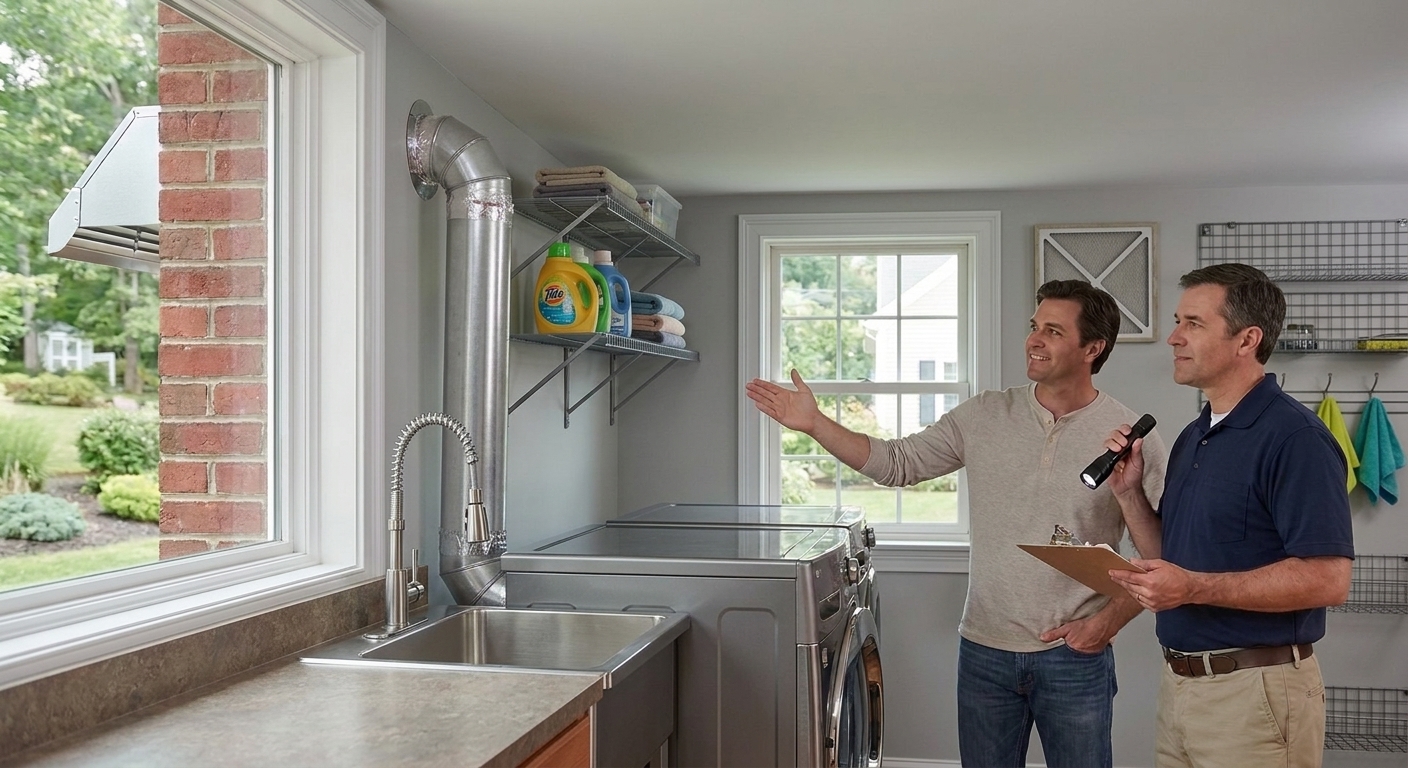
Here's what matters. If you're running laundry through a system that wasn't installed right, that's a problem. Don't treat that ductwork like it's invisible. Every foot of pipe should follow code. Every connection needs the right material. And every fire hazard starts with someone who assumed their setup was fine because it hadn't failed yet.
When a Vent Route Is Fine and When It Becomes Dangerous
Most of the time, your dryer vent works without drama. Air flows out, moisture leaves the building, and nobody thinks twice. The problem starts when the route is too long, stuffed with unnecessary bends, or built with materials that shouldn't be anywhere near heat.
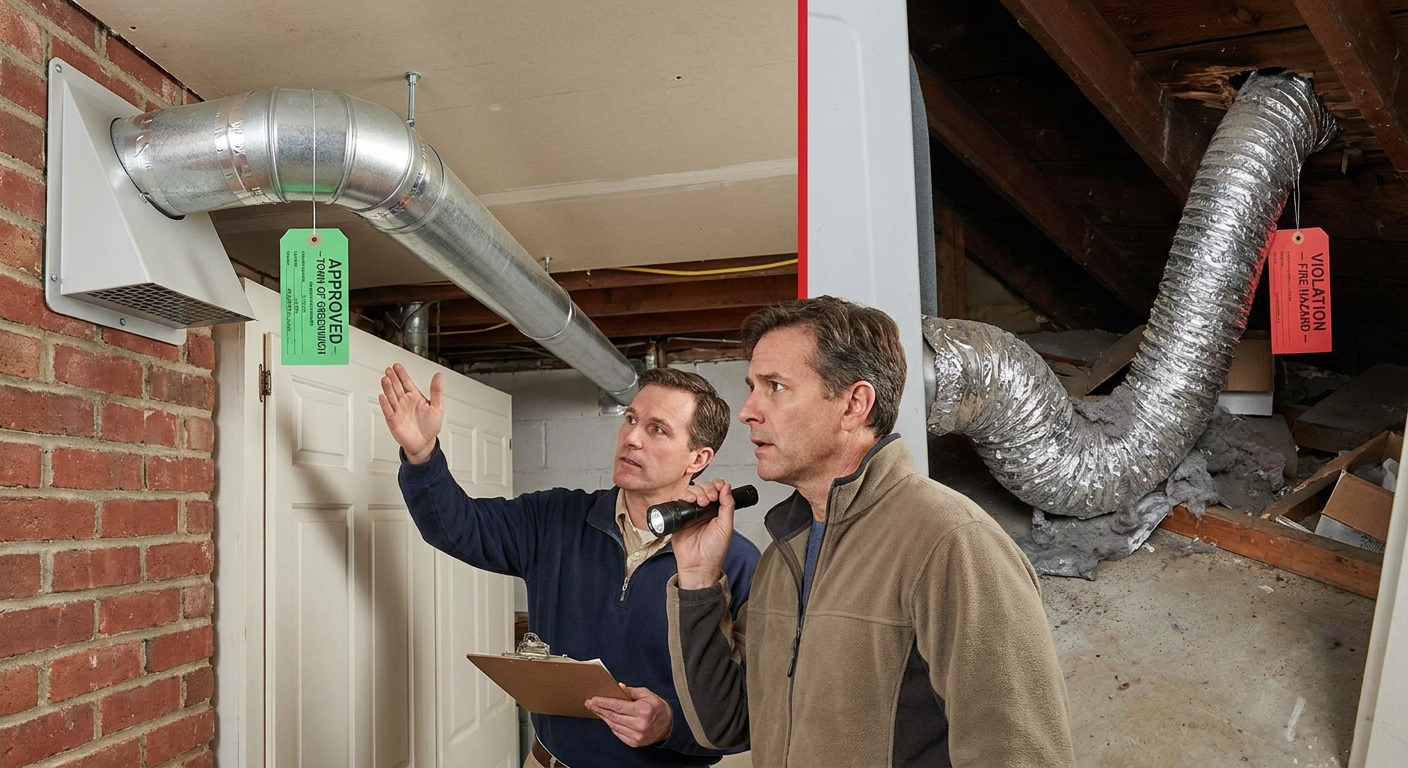
And if that vent terminates inside your attic or garage? Totally different situation. Moisture builds up, lint collects, and what looks like a shortcut becomes a ticking clock. We've seen it play out across Greenwich homes — plenty of owners thought their setup was grandfathered in. It wasn't. When inspectors flag it or fires break out, there's no excuse for ignoring what the code spells out clearly.
The Materials That Pass Muster
You can't install flexible plastic and call it done — that's asking for trouble. But rigid metal ducts? Those are typically approved. Building departments want to see materials that don't sag, crush, or catch fire when lint piles up.
Here's where material choice matters most:
- Rigid metal ducting: Smooth interior means less lint buildup and better airflow over time.
- Semi-rigid aluminum: Works in tight spaces but still needs to be secured properly and kept as straight as possible.
- Foil or plastic flex ducts: These fail code in most jurisdictions and create fire risks you don't need.
- Metal tape for seals: Screws catch lint and create blockages — tape keeps joints tight without the hazard.
- Exterior vent hoods: Must allow airflow while blocking pests and weather from getting inside.
When Code Compliance Actually Protects You
Want your vent to stay safe? You'll need to prove it was installed to standard — and that every connection follows what Greenwich building officials expect.
The town has three main checkpoints:
- The vent must terminate outside the home, not in an attic or crawl space
- Materials must be rigid or semi-rigid metal, not flexible plastic
- The route must be as direct as possible, with minimal bends and proper support
Miss one of those, and the whole setup falls apart. Even if your dryer technically works. And if any section dumps moisture indoors? That portion's creating mold and rot, not just failing inspection.
Bends and Length Add Up Faster Than You Think
Every elbow you add costs you airflow. Greenwich homes with basement laundry rooms or units tucked into interior closets often rack up multiple turns before reaching an exterior wall. That's not just inefficient — it's a lint trap waiting to catch.
You'll need to keep the run short and the bends wide. Most manufacturers cap effective length at 25 feet, and every 90-degree elbow subtracts another five feet from that total. Go past the limit, and your dryer works harder, takes longer, and builds up debris faster than you can stay ahead of it.
What Your Documentation Should Include
Want to pass inspection or prove your system is safe? Show your work. You'll need more than a receipt from the hardware store to back up your installation.
Here's what building officials expect to see:
- Duct material specs and proof of code compliance
- Length measurements and bend calculations
- Exterior termination point with proper hood and clearance
- Cleaning and maintenance records showing lint removal schedules
If someone questions your setup during a sale or after an incident, they won't just take your word for it. Mixing unapproved materials or skipping the exterior vent is one of the fastest ways to tank a home inspection.
Where Most Greenwich Homeowners Go Wrong
Trying to vent into the garage because it's easier than punching through brick? Code won't allow that. Assuming your 1970s flexible foil duct is still acceptable because it hasn't caught fire yet? That's not how risk works.
Sloppy installations cost real money when they fail, and they raise red flags during resale. Most homeowners play it smart by hiring licensed contractors who know Greenwich's standards — and plenty stay compliant by keeping up with routine cleanings instead of waiting for problems to surface.
Why Cleaning Isn't Optional
Don't wait until your dryer takes two cycles to finish a load. If you skip maintenance, lint builds up inside the duct and blocks airflow. That makes your machine work harder, costs more to run, and creates the exact conditions that start fires.
Inspect and clean your vent annually at minimum. It's tedious work. It prevents disasters.
When DIY Stops Being Smart
If your vent route includes multiple floors, exterior masonry, or a complicated path through framing, you're in territory where guesswork gets expensive.
A licensed contractor helps you:
- Design a route that meets code and maximizes efficiency
- Select materials that pass inspection and last
- Install everything with proper clearances and secure connections
- Schedule cleanings that keep the system running safely
- Avoid costly rework when the building department flags violations
It's not just about getting your laundry done this week. It's about setting up a system that stays safe, efficient, and compliant for as long as you own the home.
Airflow That Doesn't Kill Your Energy Bill
Taking on a dryer vent install isn't complicated — until it is. Using the right route and defending that choice during inspection separates homes that run smoothly from those that fail when it counts. There's no excuse for cutting corners when the safety standards are clear. But there's also no forgiveness when you ignore them and something goes wrong.
Greenwich building codes exist for a reason, and dryer vents sit squarely in the category of systems that seem minor until they're not. We've seen too many homeowners discover their setup was wrong only after a close call or a failed inspection derailed a sale. The smart move is getting it right from the start — proper materials, proper route, proper maintenance. Understanding why clean dryer vents matter is essential for maintaining both safety and efficiency. Professional duct cleaning services can help you stay ahead of potential problems. For comprehensive information about maintaining your home's air quality systems, visit our services page. If you need expert assistance with your dryer vent system, contact us to ensure your home stays safe and your laundry room runs without drama for years to come.
Let’s Make Your Dryer Vent Safe and Worry-Free
We know how important it is to keep your home safe and your laundry routine hassle-free. If you’re unsure about your dryer vent routing or want peace of mind that everything’s up to code, let’s take care of it together. Give us a call at 203-424-8732 or Get a Free Quote and we’ll make sure your dryer vent is set up right the first time.
‹ Back
Recent Posts
-
What Greenwich Homeowners Should Know About Dryer Vent Routing
October 14, 2026
-
Why Fairfield Families With Pets Need Cleaner Air Ducts
September 30, 2026
-
How Renovation Projects Can Leave Dust Inside Your Ducts
September 16, 2026
-
Why Lint Builds Up Faster Than Most Homeowners Expect
September 2, 2026
-
Can Dirty Air Ducts Affect New Homeowners in Greenwich
August 19, 2026