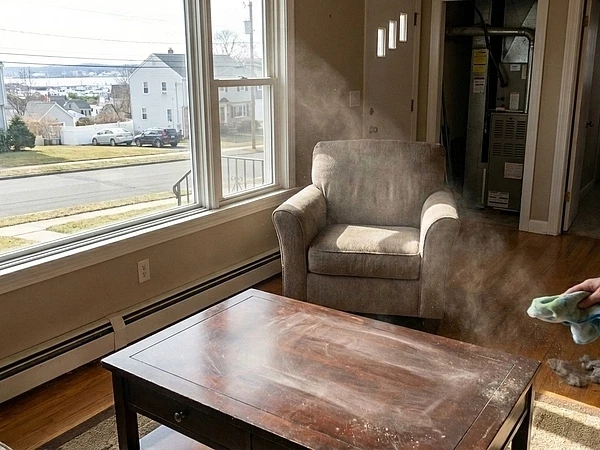
Could the Vents in Your Stamford Home Be Making Allergy Season Worse?
Most Stamford homeowners blame the trees. The pollen count spikes, the sneezing starts, and everyone assumes it's just spring doing its thing. But if your allergies are worse indoors than out, the problem might not be what's blowing through your neighborhood—it might be what's circulating through your vents. Your HVAC system could be working against you, pushing allergens into every room, every hour, without you even noticing.

We're not talking about a little dust on the grates. We're talking about years of buildup sitting in your ductwork, waiting to get kicked back into the air you breathe. And if you've been ignoring your vents, allergy season isn't just bad luck—it's a system failure.
Your Vents Are a Highway for Allergens
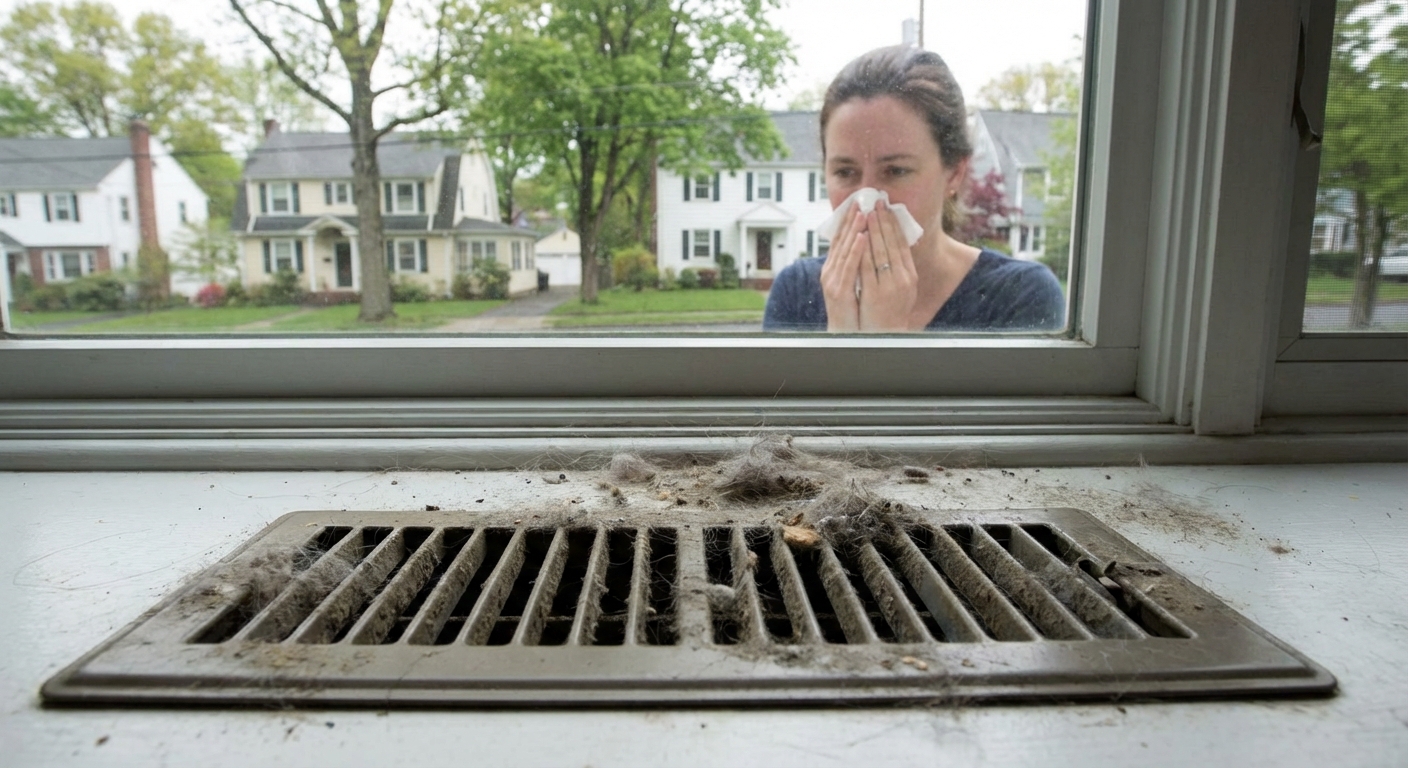
Every time your heating or cooling kicks on, air moves through your ducts and out through your vents. That's the whole point. But if those ducts are lined with dust, pollen, pet hair, and mold spores, you're not just getting conditioned air—you're getting a fresh dose of everything that's been sitting in there since the last time someone bothered to check.
<p
Most people don't think about their ductwork until something breaks. But allergens don't need a breakdown to cause problems. They just need circulation. And your HVAC system is designed to circulate constantly.
What's Actually Hiding in There
If you pulled off a vent cover right now and looked inside, you might be surprised. Or horrified. Either way, here's what's likely living in your ducts:
- Dust and dust mite waste, which thrive in warm, undisturbed spaces
- Pollen tracked in from outside on shoes, clothes, and pets
- Pet dander that settles into every corner of your ductwork
- Mold spores that grow when moisture gets trapped in your system
- Debris from construction, renovations, or just years of neglect
Why Indoor Allergies Hit Harder Than You Think
When allergens are outside, you can close the windows and hope for the best. But when they're inside your ducts, there's no escape. Every cycle of your HVAC system sends them back into circulation. You breathe them in while you sleep, while you eat, while you're trying to relax on the couch. And if you have asthma or severe allergies, that constant exposure can turn a manageable season into a miserable one.
Dirty vents don't just make you sneeze—they make your system work harder, drive up your energy bills, and sometimes fill your home with a stale, musty smell that no amount of air freshener can cover. If your house smells off when the heat or AC runs, that's not normal. That's a red flag.
How to Tell If Your Vents Are the Problem
You don't need a lab test to know something's wrong. Your body will tell you. But if you want confirmation, here's what to look for:
- Allergy symptoms that get worse when you're home
- Dust around vent covers that reappears within days of cleaning
- Odd smells when your HVAC system turns on
- Visible debris or discoloration inside the vents
- Family members coughing or sneezing more than usual indoors
Filters Matter More Than You Think
Your HVAC filter is the first line of defense against airborne junk. But most people either forget to change it or buy the cheapest option at the hardware store. That's a mistake. A clogged or low-quality filter won't catch much, and it'll force your system to work harder while letting allergens slip through.
Swap your filter every one to three months, depending on your household. If you have pets, kids, or anyone with allergies, lean toward the shorter end. And if you're serious about air quality, upgrade to a HEPA filter. They cost more, but they trap particles that standard filters miss.
Cleaning Your Ducts Isn't Optional
Changing filters helps, but it doesn't solve the problem if your ducts are already packed with years of buildup. Professional duct cleaning isn't just for people with visible mold or rodent issues—it's for anyone who wants to breathe cleaner air. A good cleaning removes the allergens that filters can't reach and gives your system a fresh start.
How often? Every three to five years is a solid baseline. But if you've recently renovated, moved into an older home, or noticed a spike in allergy symptoms, don't wait. Get it done now.
What You Can Do Right Now
You don't need to overhaul your entire HVAC system to see improvement. Start with the basics and build from there:
- Replace your air filter with a high-efficiency option
- Vacuum around vents and wipe down vent covers weekly
- Run a dehumidifier to keep moisture levels below 50 percent
- Schedule a professional duct inspection if you haven't in years
- Keep windows closed during peak pollen hours
When DIY Isn't Enough
If you've cleaned the vents, swapped the filters, and still can't shake the symptoms, it's time to bring in a pro. HVAC technicians can spot issues you can't—hidden mold, leaks, or ductwork damage that's letting unfiltered air into your system. They'll also have the tools to clean deeper than any vacuum or brush you own.
Don't wait until someone in your house ends up with a respiratory infection or chronic sinus issues. Prevention is cheaper and a whole lot less stressful than treatment.
Your Home Should Be the Safe Zone
Allergy season is rough enough without your own house working against you. You can't control what's happening outside, but you can control what's circulating through your vents. Clean ducts, fresh filters, and a little attention to your HVAC system can make the difference between suffering through spring and actually enjoying it. Don't let neglect turn your home into an allergen factory. Take control of your air quality, and your lungs will thank you.
Breathe Easier in Your Stamford Home
We all deserve to feel comfortable and healthy in our own homes, especially when allergy season hits hard. If you're ready to take the next step toward cleaner air and fewer symptoms, let's tackle those vents together. Give us a call at 203-424-8732 or schedule an appointment today, and let’s make your home the safe haven it should be.
‹ Back
Recent Posts
-
Why Lint Builds Up Faster Than Most Homeowners Expect
September 2, 2026
-
Can Dirty Air Ducts Affect New Homeowners in Greenwich
August 19, 2026
-

Why Some Fairfield Homes Have Hot and Cold Spots
August 5, 2026
-
What to Do When Your Laundry Room Gets Hot in Norwalk
June 17, 2026
-