What a Blocked Dryer Vent in Norwalk Looks Like Before It Becomes a Fire Risk
Most homeowners think dryer vents are just about efficiency. Clothes dry faster, bills stay lower. But the fire marshal sees more than that — and if you don't, you're asking for trouble. A blocked vent may not look dangerous at first glance, but it leaves a trail of warning signs that escalate fast. Especially if you're ignoring the heat buildup or dismissing the smell.
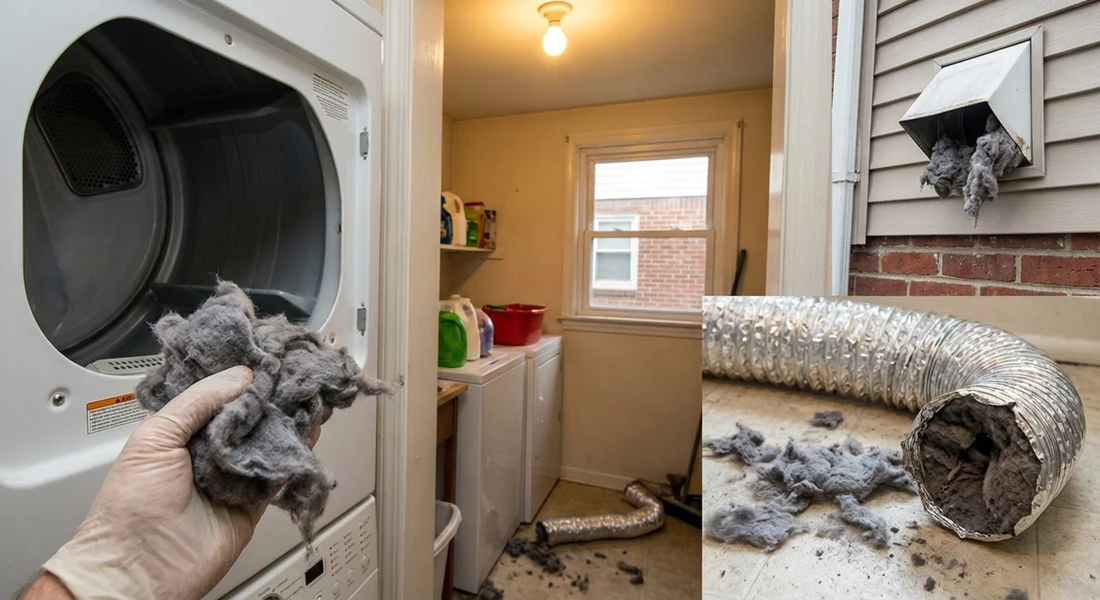
So here's the deal. If you're running loads every week and never checking what's happening behind the machine, that's a problem. Every cycle pushes lint deeper. Every ignored symptom brings you closer to a call you don't want to make. And every fire risk starts with something small — not just what you see on the surface.
When Drying Takes Twice as Long
Nine times out of ten, the first sign isn't visible. It's time. Your clothes used to dry in forty minutes — now they're still damp after an hour. That's not the dryer losing power. That's airflow getting choked off by lint, dust, and debris packed into the vent line.
But if you keep running cycle after cycle without checking? Different story. The blockage gets worse, the motor works harder, and the heat has nowhere to go. We see this play out in real time with older homes in Norwalk. Plenty of residents think longer dry times are normal wear and tear — they're not. And when the vent finally clogs completely, the dryer either shuts down or overheats to the point where ignition becomes a real risk.
The Heat You Can Feel
You can't ignore a dryer that's too hot to touch — that's your machine telling you something's wrong. But the heat signature? That's often where things get serious. When airflow is restricted, the dryer can't expel moisture or hot air efficiently.
Here's where that matters most:
- The top of the dryer feels scorching after a single load
- The laundry room itself becomes uncomfortably warm
- Clothes come out hotter than they should, sometimes with a burnt smell
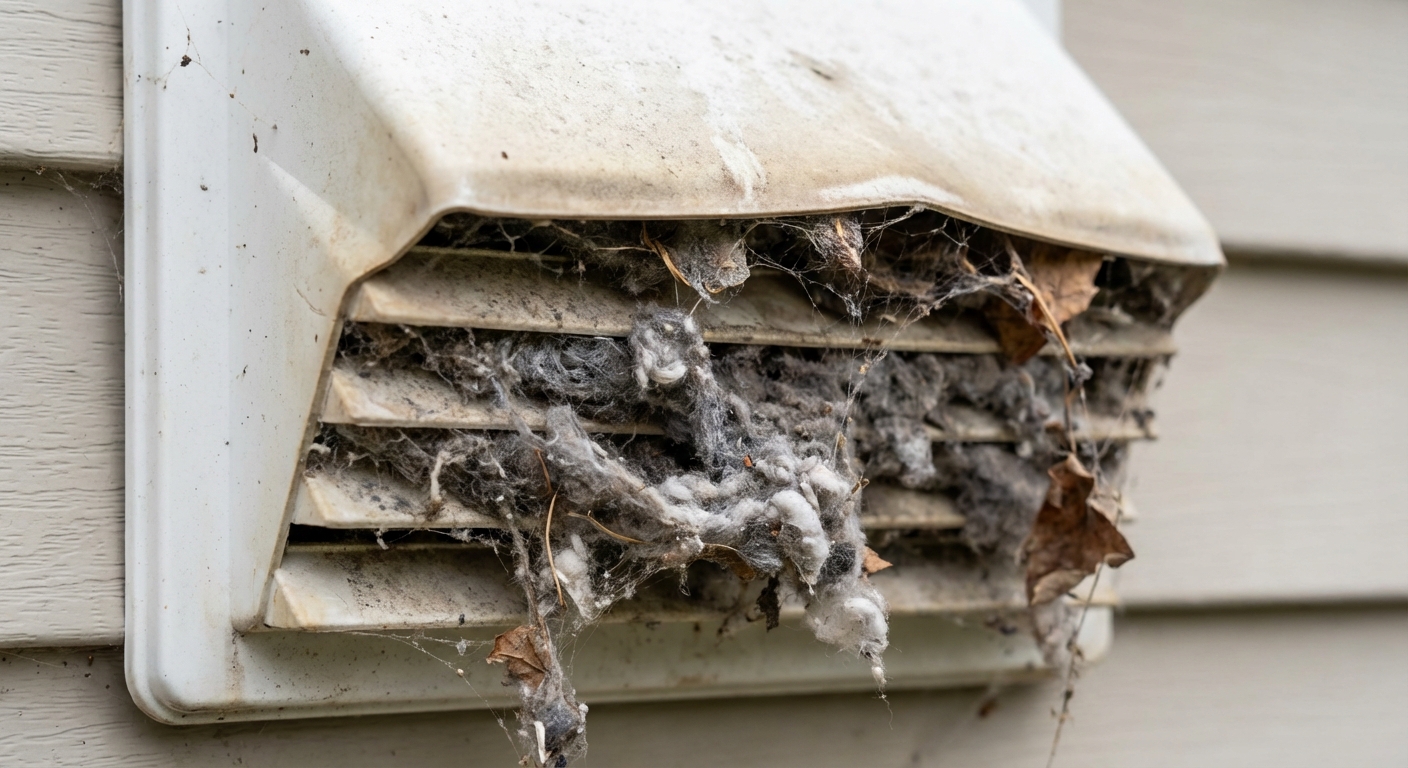
- The exterior vent flap stays closed or barely moves when the dryer runs
- You notice condensation or moisture around the dryer or on nearby walls
When Lint Starts Showing Up Everywhere
Want to know if your vent is blocked? Look around. You'll need to check more than just the lint trap — though that's a good start.
A clogged vent has three main giveaways:
- Lint accumulates around the dryer, on the floor, or near the vent opening outside
- The lint trap fills up faster than usual, sometimes after every load
- You see lint or debris stuck in the vent hose or ductwork behind the machine
Miss one of those, and the problem compounds. Even if you're cleaning the trap religiously. And if any of that lint is sitting near the heating element? That portion's a fire hazard waiting to happen. No second chances when ignition temperatures get reached.
Norwalk Homes Have a Specific Vulnerability
If your home was built more than twenty years ago, there's a decent chance the vent system wasn't designed for modern dryer output. Longer duct runs, multiple bends, and flexible plastic or foil hoses all restrict airflow and trap lint faster.
You'll need to inspect the full vent path and upgrade where necessary. Most older homes in Norwalk won't meet current safety standards — but those that do see fewer service calls and zero close calls.
Your Safety Is Only As Good As Your Maintenance
Want to prevent a fire? Show up for the work. You'll need more than a quick lint trap check to keep your system running clean.
Here's what your routine should include:
- Clean the lint trap before or after every single load
- Disconnect and vacuum out the vent hose at least twice a year
- Inspect the exterior vent opening for blockages, nests, or stuck flaps
- Replace any crushed, kinked, or plastic vent hoses with rigid metal ductwork
- Schedule a professional vent cleaning annually if your duct run is long or has multiple turns
If the fire department shows up, they won't just take your word that you "cleaned it once." Mixing neglect with high heat is one of the fastest ways to lose your home. So if that dryer is running hot and the clothes aren't drying, you'd better have a plan to fix it today.
Where Most Homeowners Slip Up
Assuming the lint trap is enough? The fire marshal won't find that clever. Ignoring obvious symptoms can cost you everything or even put your family at risk. Most homeowners stay safe by scheduling regular inspections or calling in a pro — and plenty avoid disaster by catching the warning signs early.
Don't wait until tax time — or worse, until you smell smoke — to dig up the vent line and clear it out. If you miss the signs, you're gambling with your home. If you catch them early, you're just doing basic upkeep. Inspect monthly. It's boring. It works.
When to Call In a Pro
If your vent system includes long duct runs, multiple elbows, or anything you can't access yourself, you're in territory where DIY gets risky.
A dryer vent cleaning pro helps you:
- Clear lint and debris from the entire duct system, not just the visible sections
- Identify structural issues like crushed ducts or improper installations
- Upgrade outdated vent materials to code-compliant metal ductwork
- Test airflow and ensure the exterior vent opens properly during operation
- Keep your home safe and your dryer running efficiently for the long haul
It's not just about avoiding a fire this year. It's about setting up clean dryer vents that keep your household running strong and protected season after season.
Prevention Beats Panic Every Time
Spotting a blocked vent isn't the hard part. Acting on it before the heat becomes a hazard — that's where homeowners get caught off guard. There's no excuse for ignoring the signs when the fix is straightforward. But there's also no forgiveness when you blow past the warnings and end up with a fire truck in your driveway. Keep your vent clear, your dryer cool, and your home out of danger.
Let's Keep Your Norwalk Home Safe
We all want peace of mind when it comes to fire safety, and that starts with a dryer vent that’s clean and clear. If you’re noticing any of these warning signs or just want to make sure your home is protected, let’s take action together. Give us a call at 203-424-8732 or Get a Free Quote and we’ll help you keep your dryer running safely year-round.
‹ Back
Recent Posts
-

What Greenwich Homeowners Should Know About Dryer Vent Routing
October 14, 2026
-
Why Fairfield Families With Pets Need Cleaner Air Ducts
September 30, 2026
-
How Renovation Projects Can Leave Dust Inside Your Ducts
September 16, 2026
-
Why Lint Builds Up Faster Than Most Homeowners Expect
September 2, 2026
-
Can Dirty Air Ducts Affect New Homeowners in Greenwich
August 19, 2026