Is Air Duct Cleaning in Stamford Really Something You Should Do Every Year?
Most homeowners treat duct cleaning like an oil change — something you schedule and forget about. But your HVAC system isn't a car, and your ducts aren't on a universal maintenance clock. The air moving through your home depends on what's happening inside those ducts, not what some calendar says. If you're not paying attention to the actual conditions, you're either wasting money or letting problems build up.
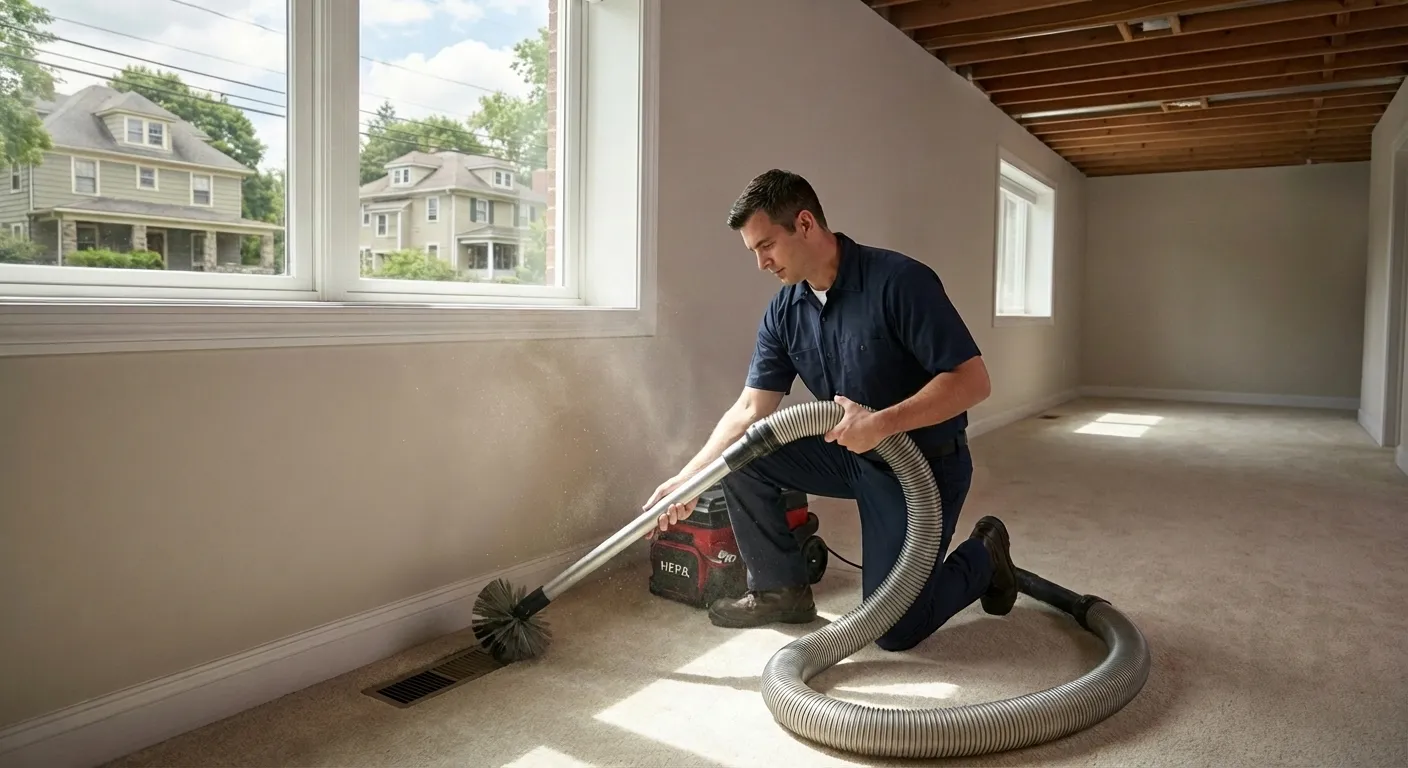
So here's what matters. Annual cleaning sounds responsible, but it's not always necessary — and sometimes it's overkill. What you really need is a clear picture of when your ducts actually require attention, what drives that timeline, and how to avoid getting sold on services you don't need. Every home is different. Every duct system tells its own story.
What Actually Happens Inside Your Ducts
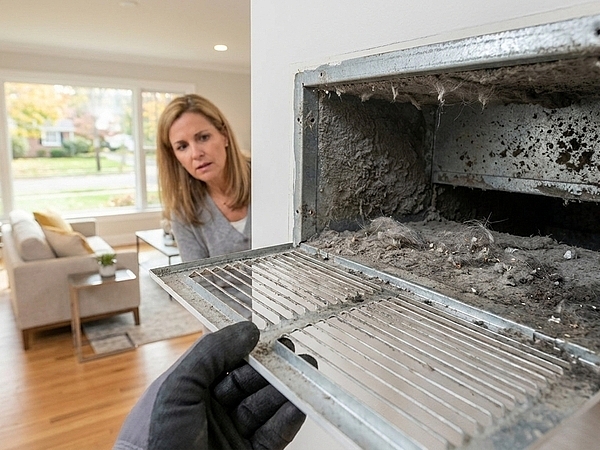
Ductwork doesn't just sit there. It collects everything your home throws at it — dust from daily living, pet hair, pollen that drifts in during spring, even moisture when humidity spikes. Over time, that buildup can affect airflow, indoor air quality, and how hard your HVAC system has to work. Professional duct cleaning pulls all that out using specialized equipment designed to reach every corner of the system.
But accumulation doesn't happen on a fixed schedule. Some homes see heavy buildup in a year. Others go three or four without issue. The difference comes down to how you live, what's in the air, and how well your system filters everything out before it settles in the ducts.
The Industry Standard Isn't Always Annual
The National Air Duct Cleaners Association suggests inspections every two to three years, not automatic yearly cleanings. The EPA goes further, noting that routine duct cleaning hasn't been proven to prevent health issues — but it's warranted when specific problems show up. Mold growth, pest infestations, or visible debris clogging the system? Those are triggers, not calendar dates.
Stamford's climate adds a wrinkle. Seasonal pollen, fluctuating humidity, and older housing stock mean some homes need more frequent attention. But that's not a blanket rule. It's about reading the signs your system gives you, not following a one-size-fits-all timeline.
When Cleaning Actually Pays Off
There are real benefits to keeping ducts clean — when the timing's right. Cleaner ducts mean fewer allergens circulating through your home, which matters if anyone's dealing with asthma or seasonal allergies. Your HVAC system also runs more efficiently when it's not pushing air through clogged pathways, which can trim energy costs and extend equipment life.
Here's where regular cleaning makes the most sense:
- You've got multiple pets shedding year-round, and dander's everywhere
- Someone in the house has respiratory issues that flare up indoors
- You just finished a renovation and dust got into the system
- Musty odors linger even after you've cleaned the house
- Visible dust puffs out of vents when the system kicks on
The Risk of Overdoing It
Cleaning too often isn't just expensive — it can backfire. Aggressive or poorly executed cleaning can damage ductwork, especially in older systems where seals and joints are already fragile. And if there's no real buildup to remove, you're paying for a service that doesn't move the needle on air quality or system performance.
The key is knowing when cleaning solves a problem versus when it's just checking a box. If your ducts are in decent shape and your system's running fine, annual cleaning might be money you're better off spending elsewhere.
Red Flags That Mean It's Time
Forget the calendar. Watch for these instead:
- Mold visible inside ducts or around vents
- Rodents or insects making a home in your ductwork
- Allergy symptoms that worsen indoors but ease up outside
- Dust accumulating faster than usual on furniture and floors
- Airflow that feels weak or uneven from room to room
What Drives Your Cleaning Schedule
Not every home in Stamford operates on the same timeline. Some factors accelerate buildup, while others keep ducts cleaner longer. Pets are a big one — more animals mean more hair and dander working its way into the system. Smoking indoors leaves residue that clings to duct surfaces. Older homes with leaky ductwork pull in more dust and outdoor contaminants.
Local conditions matter too. Stamford's pollen seasons hit hard, and humidity can create conditions where mold takes hold if moisture gets trapped. If your home checks multiple boxes, you'll likely need cleaning more often than someone in a newer build with no pets and good filtration.
What Keeps Your System Running Clean
Cleaning isn't the only tool in your kit. Regular HVAC maintenance and filter changes do a lot of the heavy lifting. A good filter catches particles before they settle in the ducts, and swapping it out every few months keeps airflow strong and buildup minimal.
Here's what a solid maintenance routine looks like:
- Replace filters every one to three months depending on usage
- Schedule annual HVAC inspections to catch issues early
- Seal any duct leaks that let unfiltered air in
- Keep vents and registers clear of obstructions
- Monitor indoor air quality and address changes quickly

How to Spot a Service You Don't Need
Not every company offering duct cleaning has your best interest in mind. Some push annual contracts regardless of whether your ducts need it. Others use scare tactics — showing you photos of someone else's filthy ducts or claiming your system's a health hazard without real evidence.
A reputable service will inspect first, explain what they find, and recommend cleaning only if there's a legitimate reason. They'll also provide clear documentation of what they did and why. If someone's pushing hard for a sale without showing you the problem, walk away.
When to Bring in a Pro
If you're seeing signs of buildup, dealing with persistent air quality issues, or just want peace of mind, a professional inspection makes sense. A good technician will assess your ducts, check for mold or pests, and give you an honest read on whether cleaning's necessary now or if you can wait.
Here's what a solid inspection covers:
- Visual check of accessible ductwork and vents
- Airflow testing to identify blockages or leaks
- Moisture assessment to spot mold risk areas
- Filter condition and replacement recommendations
- Clear explanation of findings and next steps
The Real Answer on Annual Cleaning
Annual duct cleaning isn't a universal need. It's a solution for specific problems, not a blanket maintenance task. Most homes in Stamford can go two to four years between cleanings if they're keeping up with filters and HVAC maintenance. But if your home has pets, allergies, or environmental factors that accelerate buildup, more frequent cleaning might make sense.
The smartest move is to stay observant. Watch for changes in air quality, system performance, and visible dust. When something shifts, investigate. And when you do clean, make sure it's because your ducts need it — not because a calendar told you to. Understanding how duct and vent cleaning enhances HVAC efficiency helps you make informed decisions about when professional services are truly necessary. That's how you keep your system running strong without throwing money at problems that don't exist.
Let’s Breathe Easier Together
We know how important clean air is for your family’s comfort and health. If you’re noticing signs that your ducts need attention or just want an expert opinion, let’s talk it through and find the right solution for your home. Give us a call at 203-424-8732 or Get a Free Quote—we’re here to help you enjoy fresher, healthier air all year long.
‹ Back
Recent Posts
-
Why Fairfield Families With Pets Need Cleaner Air Ducts
September 30, 2026
-
How Renovation Projects Can Leave Dust Inside Your Ducts
September 16, 2026
-
Why Lint Builds Up Faster Than Most Homeowners Expect
September 2, 2026
-
Can Dirty Air Ducts Affect New Homeowners in Greenwich
August 19, 2026
-

Why Some Fairfield Homes Have Hot and Cold Spots
August 5, 2026