Strange Smells Coming From Your Vents in Stamford?
Most homeowners think HVAC systems are just about temperature control. Hot air, cold air, done. But your vents tell a different story — and if you're not listening, you're setting yourself up for bigger problems. Strange odors don't just appear out of nowhere. They're signals. Warnings that something in your ductwork, air handler, or system components has gone sideways. Especially if the smell lingers or gets worse when the system kicks on.

So here's the reality. If you're catching whiffs of something off every time air flows through your vents, that's not normal. Just don't brush it off as a quirk of the house. Every odor has a source. Every delay in addressing it makes the fix harder. And every decision you make should be grounded in what's actually happening inside your system — not just what you hope will go away on its own.
When Musty Means Moisture
Nine times out of ten, a musty smell points to mold or mildew. You've got moisture somewhere it shouldn't be — condensation on coils, standing water in the drip pan, or humidity trapped in your ducts. That's not just unpleasant. It's a health risk, especially for anyone dealing with allergies or asthma.
But if that moisture problem goes unchecked? Different story. Mold spreads fast in dark, damp environments. We've seen this play out in real time with systems that sat idle through mild seasons. Plenty of homeowners thought a little mustiness was harmless — it wasn't. And when mold gets flagged during an inspection, you're looking at regular duct cleaning in Stamford or even replacement unless you catch it early.
The Burning Smell You Can't Ignore
You can't write off a burning odor as dust settling on the heat exchanger — well, maybe the first time you fire up the furnace after months of inactivity. But if it persists? That's often a red flag. The system could be overheating, wiring might be failing, or components are wearing down faster than they should.
Here's where that matters most:
- Furnace startup after a long break often burns off accumulated dust, but the smell should fade within minutes
- Electrical burning smells suggest wiring issues or motor problems that need immediate attention
- Overheating blower motors can produce a hot metal scent before they fail completely
- Clogged filters force your system to work harder, generating excess heat and potential fire hazards
- Cracked heat exchangers can emit burning odors and pose serious carbon monoxide risks
When the Smell Screams Emergency
Want to know when to drop everything and call for help? When you smell rotten eggs or sulfur. That's the odorant added to natural gas so you can detect leaks. This isn't a "wait and see" situation.
The response has three non-negotiable steps:
- Evacuate everyone from the building immediately — no exceptions, no delays
- Avoid using anything electrical, including light switches or phones, which could spark ignition
- Call your gas company or emergency services from outside the property, not from inside
Skip one of those, and you're gambling with lives. Even if the smell seems faint or intermittent, gas leaks don't give second chances. And if any part of your HVAC system is gas-powered, that's the first place professionals will inspect once it's safe to re-enter.
Dirty Sock Syndrome Isn't Just Gross
If your vents smell like a locker room, you're dealing with bacterial growth on your evaporator coils. It's called dirty sock syndrome, and it happens when moisture sits on the coils long enough for bacteria to colonize. The smell gets worse in humid weather or when you switch between heating and cooling.
Most systems won't develop this on their own — but those that do need more than air freshener. You'll need a professional cleaning of the coils, possibly a UV light installation to kill bacteria, and better humidity control to prevent it from coming back. If the coils are corroded or the buildup is severe, replacement might be the only real fix.
What Dead Animals and Debris Do to Your Ducts
Want to keep your air clean? Make sure nothing's decomposing in your ductwork. Small animals — mice, birds, squirrels — sometimes find their way into vents and can't get out. When they die, the smell is unmistakable and spreads fast.
Here's what your inspection should cover:
- Check exterior vent openings for gaps or damage that allow animal entry
- Look for nesting materials, droppings, or other signs of wildlife activity near intake vents
- Inspect ductwork for tears or disconnected sections where animals could get trapped
- Schedule professional duct cleaning if you suspect contamination from animal waste or remains
- Install vent covers or screens to prevent future intrusions
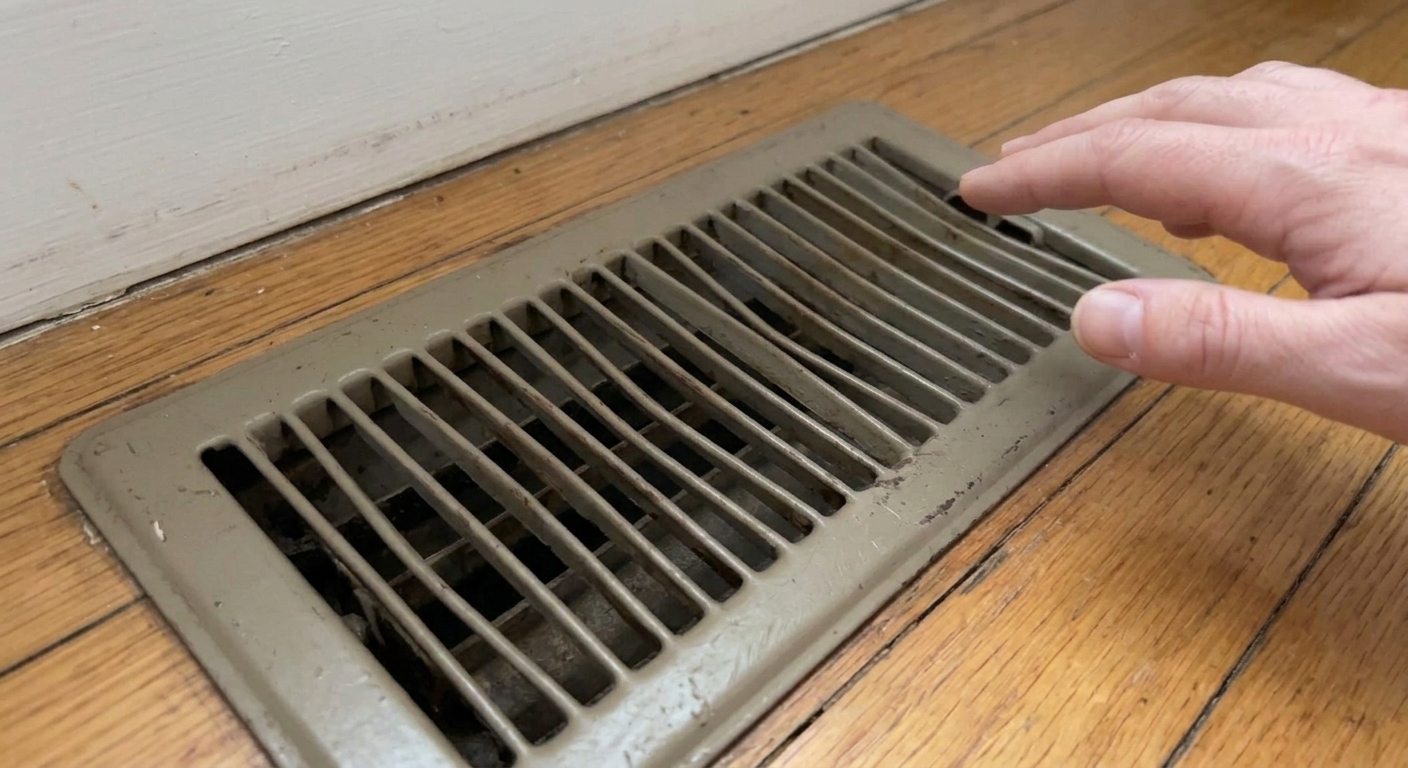
Where Most Homeowners Go Wrong
Trying to mask odors with candles or air fresheners? That's not solving anything. The smell will come back because the source is still there. Sloppy troubleshooting wastes time and money. Most homeowners get results by calling in a pro early — and plenty avoid bigger repairs by following signs your home needs air duct cleaning for HVAC maintenance.
Don't wait until the smell becomes unbearable to take action. If you ignore warning signs, you're giving problems time to escalate. If you guess at solutions without proper diagnosis, you risk making things worse. Address odors when they first appear. It's direct. It works.
Chemical Fumes Mean Something Got Pulled In
If you've been painting, using strong cleaners, or storing chemicals near your return vents, those fumes can get sucked into your system and distributed throughout your space. That's not just unpleasant — it can be hazardous depending on what you're breathing in.
The fix usually involves ventilating the area, changing filters, and making sure chemicals are stored away from HVAC intakes. If the smell persists after those steps, your ducts may need cleaning to remove residual particles.
Why Professional Diagnosis Beats Guesswork
If your odor situation involves multiple smells, recurring issues, or anything that could be dangerous, you're in territory where DIY gets risky. A qualified HVAC technician helps you:
- Identify the exact source of the odor instead of masking symptoms
- Determine whether duct cleaning, component replacement, or system repair is needed
- Separate normal operational smells from genuine hazards
- Handle mold remediation safely without spreading spores throughout your property
- Keep your system running efficiently and your indoor air quality high
It's not just about eliminating the smell this week. It's about setting up clean habits and proper maintenance that keep your system running strong and your air safe for the long haul. Understanding how duct and vent cleaning enhances HVAC efficiency can help you make informed decisions about your system's health.
Air Quality Starts With What You Breathe
Noticing a strange smell isn't the hard part. Tracking down the cause — and fixing it before it becomes a health hazard or a costly repair — that's where homeowners get caught off guard. There's no excuse for ignoring warning signs when the solutions are straightforward. But there's also no forgiveness when you let a small problem turn into a system failure.
We help Stamford residents do more than identify odors. We help them breathe easier — with clarity, speed, and an understanding of what it means for their health, not just their comfort. Understanding health benefits of air duct sanitizing can make a real difference in your indoor environment. If you're experiencing persistent odors or want to learn more about home air duct services, call a local HVAC professional today and get your system inspected before that strange smell becomes your new normal.
Let’s Clear the Air Together
Strange odors in your home shouldn’t be ignored, and you don’t have to tackle them alone. We’re here to help you get to the root of the problem and restore fresh, healthy air to your space. If you’re ready to breathe easier and want answers you can trust, give us a call at 203-424-8732 or Get a Free Quote with our team today.
‹ Back
Recent Posts
-
How Renovation Projects Can Leave Dust Inside Your Ducts
September 16, 2026
-
Why Lint Builds Up Faster Than Most Homeowners Expect
September 2, 2026
-
Can Dirty Air Ducts Affect New Homeowners in Greenwich
August 19, 2026
-

Why Some Fairfield Homes Have Hot and Cold Spots
August 5, 2026
-
What to Do When Your Laundry Room Gets Hot in Norwalk
June 17, 2026