How Renovation Projects Can Leave Dust Inside Your Ducts
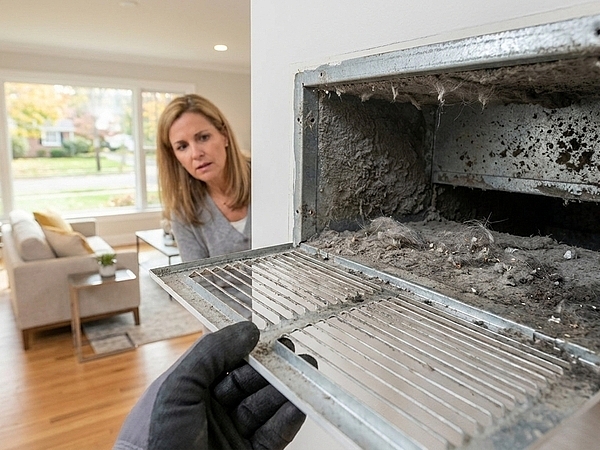
Most homeowners think renovations end when the contractor packs up. But your HVAC system doesn't forget that easily. Every hole drilled, every wall stripped, every surface sanded — all of it sends particles into the air. And once those particles go airborne, your ductwork becomes a magnet. You can scrub the floors, wipe down the counters, and vacuum every corner. The dust you can't see? That's still circulating.
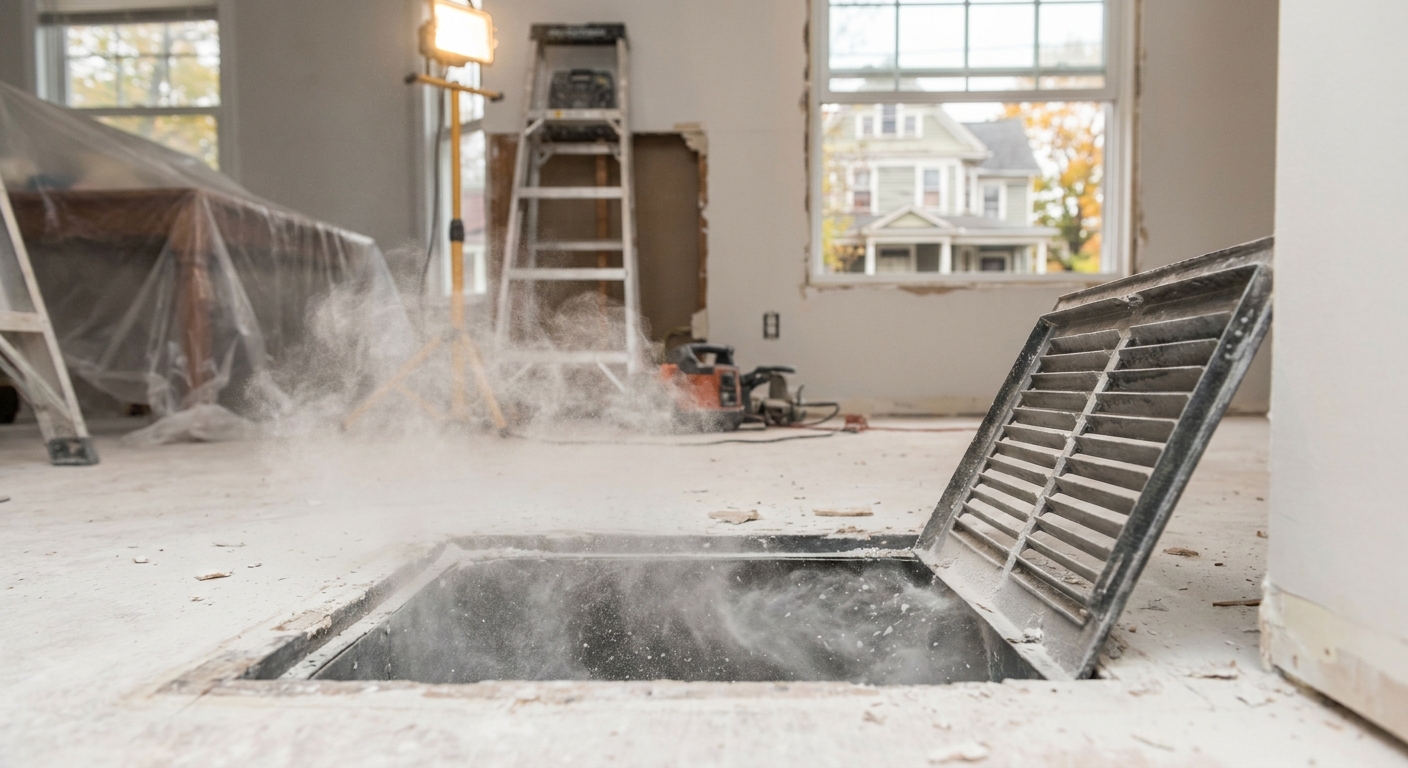
We've watched countless projects wrap up with spotless rooms and filthy ducts. The work looks done, but the system's compromised. And if you're not addressing what's inside those vents, you're breathing in your renovation for months to come.
Construction Dust Doesn't Settle Where You Think
Demolition and finishing work throw off more than visible debris. Drywall dust, sawdust, insulation fibers, paint particulates — they hang in the air long after the power tools go quiet. Even with plastic barriers and sealed doorways, containment only does so much. The finer the particle, the farther it travels.
Your HVAC system pulls air constantly. If it's running during the project, every return vent becomes an entry point. That dust doesn't just land on surfaces. It gets sucked in, deposited along duct walls, and redistributed every time the blower kicks on. You might not see it, but your lungs will notice.
How Debris Finds Its Way Into the System
Even if you shut down the HVAC, dust migration doesn't stop. Open vents, loose duct seams, and poorly sealed registers all create pathways. Older systems are especially vulnerable — gaps that were minor annoyances before become major liabilities during construction.
Here's how contamination happens:
- Uncovered vents let debris fall straight into the ductwork
- Running the system during dusty phases pulls particles directly into the blower and coils
- Leaky ducts in attics or crawlspaces allow dust to enter from surrounding areas
- Inadequate job site containment spreads fine particles beyond the work zone
- Air pressure changes from open windows or fans push dust toward return vents
What Happens When Your Ducts Stay Dirty
Renovation dust isn't just an aesthetic problem. It's a performance killer and a health risk. Fine particulates trigger respiratory issues, especially in anyone with asthma or allergies. And unlike outdoor allergens, this stuff doesn't go away seasonally. It's in the system, recirculating every time you adjust the thermostat.
Efficiency takes a hit too. Dust buildup restricts airflow, forcing your equipment to work harder for the same output. That means higher utility bills and accelerated wear on motors, coils, and filters. Leave it long enough, and you're looking at breakdowns that could've been avoided with a post-project cleaning.
Where Contamination Hits Hardest
Different renovation activities create different contamination profiles. Drywall work produces the finest, most invasive dust. It coats everything and clings to duct interiors like chalk on a blackboard. Demolition throws heavier debris that might not travel as far, but it clogs filters fast and damages blower components if it makes it through.
Here's what specific projects leave behind:
- Drywall installation and sanding coat ducts with a white film that's almost impossible to wipe away
- Wood cutting generates splinters and sawdust that can block dampers and vents
- Tile and concrete work create silica dust, which poses serious inhalation risks
- Insulation removal releases fiberglass particles that irritate skin and lungs
- Paint and adhesive fumes can leave residue inside ducts that off-gasses for weeks
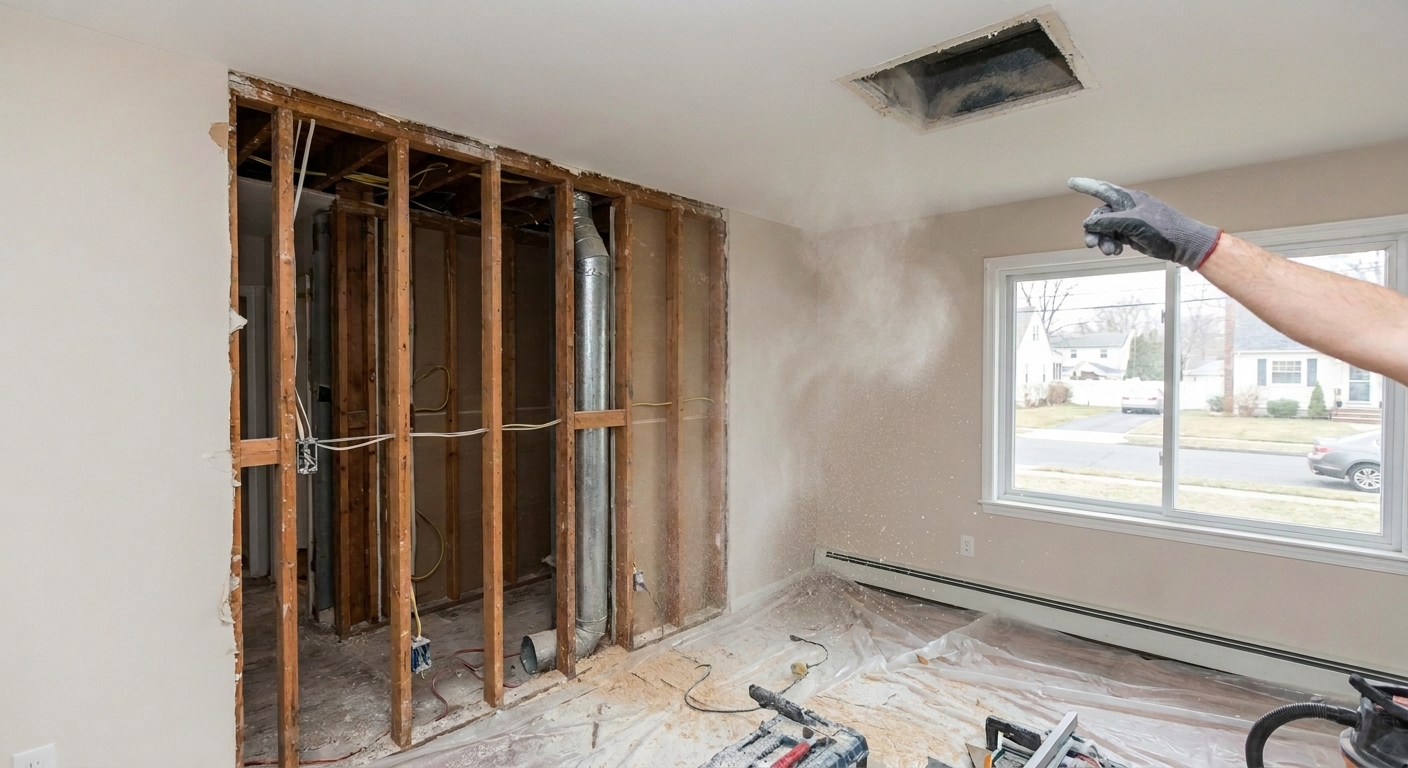
Steps That Actually Protect Your System
Prevention beats cleanup every time. We've seen the difference between projects that planned for duct protection and those that didn't. The gap is massive — not just in air quality, but in how the HVAC performs afterward.
If you're about to start a renovation, here's what needs to happen:
- Seal every supply and return vent in the work area with plastic and tape before demo begins
- Shut down the HVAC system during the dustiest phases, even if it means discomfort
- Use negative air machines or exhaust fans to pull dust out of the house instead of letting it circulate
- Replace your air filter immediately after construction ends, then again two weeks later
- Schedule professional duct cleaning once the project wraps to remove embedded particles
When DIY Cleanup Falls Short
Changing a filter won't cut it. Neither will running the system on high for a few hours hoping the dust works itself out. Renovation debris embeds itself in duct seams, clings to insulation, and settles on coil fins where airflow alone won't budge it. If you skip professional duct cleaning, you're stuck with gradual degradation — lower efficiency, worse air quality, and equipment that ages faster than it should.
A proper duct cleaning after renovations isn't optional maintenance. It's damage control. The equipment pays for itself in energy savings and system longevity. And the air quality improvement is immediate. No more mystery dust on shelves. No more lingering odors from materials that should've left with the contractor.
Your System Remembers What You Built
Renovations transform spaces. They also transform ductwork into a storage unit for construction waste. The walls look perfect. The floors gleam. But the vents? They're still holding onto everything that went into making those upgrades happen. You can't ignore that and expect your HVAC to perform like it did before the first sledgehammer swung. Clean ducts aren't a luxury after a project. They're the baseline for a system that works the way it's supposed to — and air that's safe to breathe. If you're ready to restore your system's performance, schedule an appointment with professional air duct services to ensure your home's air quality returns to optimal levels.
Let’s Clear the Air After Your Renovation
We know how much effort goes into making your home look and feel just right, and the last thing you want is hidden dust undoing all that hard work. Let’s make sure your air is as fresh as your new space deserves. If you’re ready to breathe easier and protect your investment, give us a call at 203-424-8732 or schedule an appointment today—we’ll handle the dust you can’t see, so you can enjoy your home to the fullest.
‹ Back
Recent Posts
-
How Renovation Projects Can Leave Dust Inside Your Ducts
September 16, 2026
-
Why Lint Builds Up Faster Than Most Homeowners Expect
September 2, 2026
-
Can Dirty Air Ducts Affect New Homeowners in Greenwich
August 19, 2026
-

Why Some Fairfield Homes Have Hot and Cold Spots
August 5, 2026
-
What to Do When Your Laundry Room Gets Hot in Norwalk
June 17, 2026