Why Lint Builds Up Faster Than Most Homeowners Expect
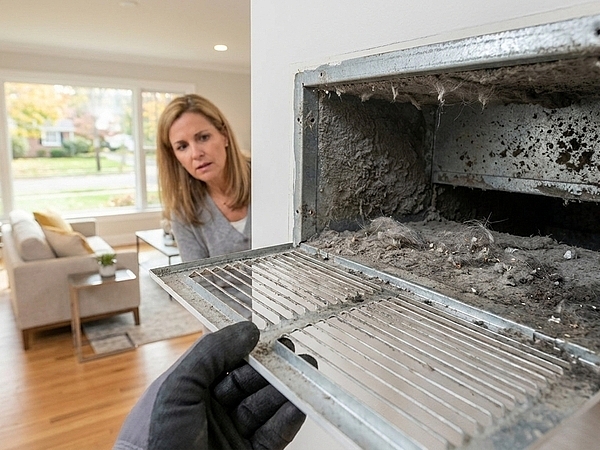
Most homeowners assume dryer maintenance means wiping down the lint trap now and then. Pull out the fuzzy layer, toss it in the trash, move on. But lint doesn't stop at the trap. It keeps moving through your system, lodging itself in vents, ducts, and seams you can't see. And it happens faster than anyone expects — especially if you're running more than a couple loads a week.
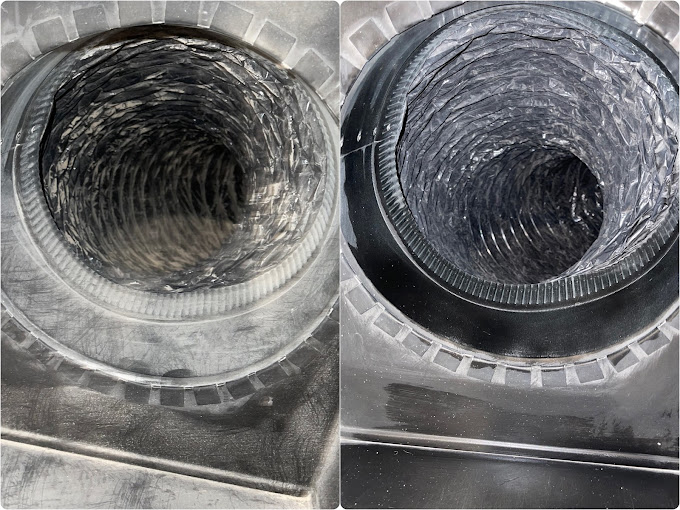
Here's what most people don't realize. That thin screen isn't catching everything. A portion of every load slips past, settling deeper into the machine and the vent line. The longer it sits, the more it compounds. And the more you dry, the faster it stacks up. If you're not checking beyond the filter, you're leaving the real problem untouched.
What Lint Actually Is
Lint isn't just fuzz. It's fiber breakdown — threads pulled loose from towels, jeans, cotton shirts, anything woven. Every time fabric tumbles, heat and friction strip away microscopic pieces. Some get caught. Most don't. And those pieces float through your dryer's airflow until they hit a surface or slow down enough to stick.
The trap grabs the obvious stuff. But plenty escapes into the exhaust system, where it clings to moisture, grease residue, or static buildup. Once it finds a foothold, more follows. That's how you go from a clean vent to a clogged one in just a few months of normal use.
Why the Buildup Happens So Fast
If you're doing laundry regularly, you're feeding the problem without realizing it. The more loads you run, the more material sheds. Multiply that by a household with kids, gym clothes, or pets, and the volume compounds quickly.
But frequency isn't the only factor. These also accelerate buildup:
- Heavy fabrics like towels, fleece, and flannel shed more than synthetics or tightly woven cotton
- Long or twisted vent lines trap lint in bends and low points where airflow slows
- Overloading the dryer reduces tumbling efficiency and increases friction, pulling more fibers loose
- Skipping lint trap cleaning between loads lets material bypass the filter entirely
- Running high heat settings causes more fiber degradation and faster shedding
When It Becomes a Real Problem
Lint doesn't just sit there harmlessly. It's one of the most flammable materials in your home. When it accumulates near heating elements or in exhaust ducts, it creates a fire risk. Thousands of residential fires start in dryers every year, and the majority trace back to lint that wasn't removed.
Beyond the safety issue, clogged vents kill efficiency. Your dryer has to work harder to push air through a restricted line. That means longer cycle times, higher energy bills, and more wear on the motor and drum. If your clothes are taking two cycles to dry, clean dryer vents are usually the reason.
Where the Lint Hides
You won't see most of it from the outside. The trap shows you maybe a quarter of what's actually shedding. The rest goes deeper into the system, settling in places you'd need to disassemble the dryer to reach.
Common hiding spots include:
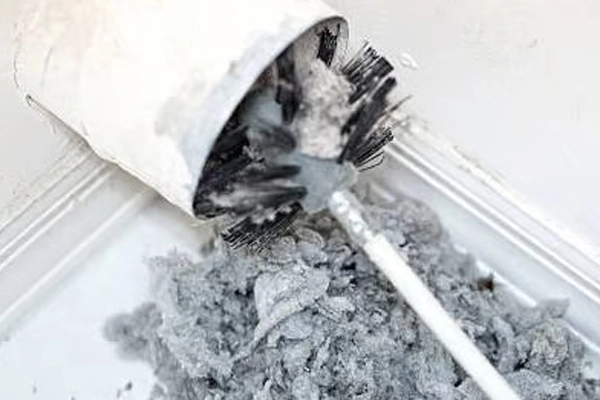
- The duct directly behind the dryer, especially if it's flexible ribbed tubing
- The transition hose where it connects to the wall vent
- Inside the dryer cabinet, around the blower housing and moisture sensors
- Exterior vent flaps that get stuck or caked with debris
- Any horizontal runs in the vent line where lint can settle instead of getting pushed out
How to Slow It Down
You're never going to stop lint from forming. But you can control how much sticks around and where it ends up. The key is consistency. A few small habits cut down buildup dramatically and keep your system running clean.
Start with these basics:
- Clean the lint trap before every single load, not just when it looks full
- Check the exterior vent while the dryer's running to make sure air is flowing freely
- Vacuum behind and underneath the dryer every few months to grab what the trap missed
- Use rigid metal ducting instead of flexible plastic, which traps more lint and sags over time
- Avoid dryer sheets that leave waxy residue on the filter and reduce its effectiveness
When to Bring In Help
If your vent line runs more than a few feet, has multiple turns, or exits through the roof, DIY cleaning won't cut it. You need tools and access most homeowners don't have. A professional dryer vent cleaning pulls lint from the entire line, not just the reachable sections.
We recommend scheduling that service at least once a year. If you're running the dryer daily or drying heavy loads regularly, twice a year makes more sense. It's not expensive, and it's a lot cheaper than replacing a burned-out dryer or dealing with fire damage.
The Real Cost of Ignoring It
Lint buildup doesn't announce itself. You won't notice it accumulating until something breaks or stops working right. By then, you've already been running an inefficient, potentially dangerous appliance for months. And the longer you wait, the worse it gets.
Clearing the trap takes ten seconds. Scheduling a vent cleaning takes one phone call. But putting it off until your dryer stops working or your energy bill spikes? That's where people lose time, money, and peace of mind. If you're doing laundry, you're making lint. The only question is whether you're managing it or letting it manage you.
If your dryer is taking longer to run or you've noticed reduced airflow, Get a Free Quote with our team. We provide professional duct cleaning and vent services throughout Stamford, Norwalk, and surrounding areas to help keep your home safe and efficient.
Let’s Keep Your Home Safe and Efficient
Staying ahead of lint buildup is one of the simplest ways we can protect our homes and keep our dryers running smoothly. If you’re ready to make sure your system is truly clean and safe, let’s take the next step together. Give us a call at 203-424-8732 or Get a Free Quote and we’ll handle the rest, so you can get back to laundry day with total peace of mind.
‹ Back
Recent Posts
-

What Greenwich Homeowners Should Know About Dryer Vent Routing
October 14, 2026
-

Why Fairfield Families With Pets Need Cleaner Air Ducts
September 30, 2026
-
How Renovation Projects Can Leave Dust Inside Your Ducts
September 16, 2026
-
Why Lint Builds Up Faster Than Most Homeowners Expect
September 2, 2026
-
Can Dirty Air Ducts Affect New Homeowners in Greenwich
August 19, 2026