Renovating Your Norwalk Home? Don't Forget the Air Ducts
Most homeowners think renovations are about surfaces. New countertops, fresh paint, maybe some hardwood. But your HVAC system sees more than that — and if you don't, you're setting yourself up for problems. Dust doesn't just settle on the floor. It travels. And once it's inside your ductwork, it's circulating through every room until someone deals with it.
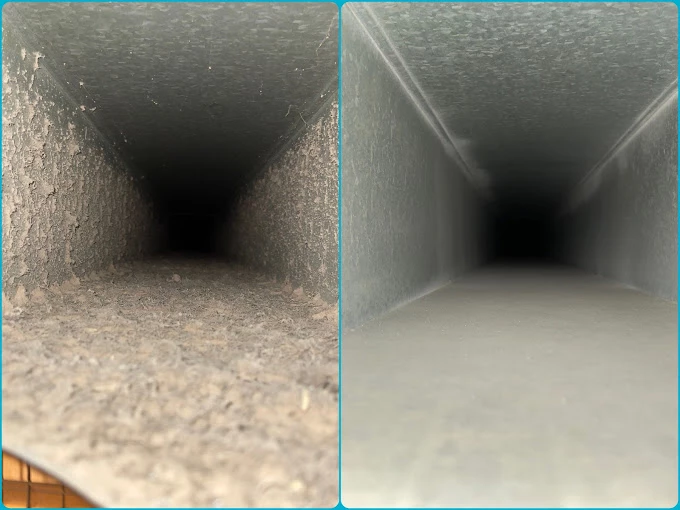
So here's what matters. If you're tearing down walls or sanding floors, that debris has to go somewhere. Just don't assume it disappears on its own. Every renovation leaves a trail. Every duct needs attention. And every decision about air quality should be grounded in what actually happened during the project — not just what the finished room looks like.
Renovation Debris Doesn't Stay Put
Nine times out of ten, contractors focus on containment. Plastic sheeting, sealed doorways, air scrubbers running in the corner. That's smart. But even the tightest job site leaks particles. Drywall dust is microscopic. Paint fumes linger. Sawdust finds cracks you didn't know existed. And once your HVAC kicks on, all of that gets pulled into the return vents and pushed back out through the supply side.
We've seen this play out in real time with kitchen remodels and bathroom additions. Plenty of homeowners thought a quick filter swap would handle it — it didn't. And when air quality tanks or energy bills spike, the ducts are usually the culprit. Unless you address them head-on, you're just moving the problem around.
The Contaminants You Can Remove
You can't undo the renovation — that's already done. But the aftermath? That's often fixable. Professional duct cleaning pulls out what settled during construction and restores airflow to where it should be.
Here's where that matters most:
- Drywall dust clogs filters fast and restricts airflow if it builds up in the ducts themselves
- Sawdust and wood particles can trigger allergies or worsen asthma, especially in kids and older adults
- Paint fumes and VOCs can linger in ductwork long after the walls dry
- Insulation fibers from attic or wall work can shed into the system and circulate for months
- Mold spores thrive in ducts that got exposed to moisture during demo or exterior work
When Cleaning Isn't Enough
Want to improve airflow? You'll need to prove the ducts are intact — and that they're actually doing their job.
We look for three main issues:
- Leaks or gaps where conditioned air escapes into attics, crawlspaces, or wall cavities
- Poor insulation that lets ducts sweat in summer or freeze in winter
- Undersized or poorly routed ductwork that can't handle the load after you added square footage
Miss one of those, and the cleaning won't solve much. Even if the ducts look clean from the inside. And if any of the system was damaged during construction? That section needs repair or replacement before you'll see real improvement.
Timing Saves You Money and Hassle
If your renovation wrapped up months ago and you're just now thinking about the ducts, you're not alone. But you are late. The best window is right after construction ends — before you move furniture back in, before you host guests, before another season passes and the debris gets baked into the system.
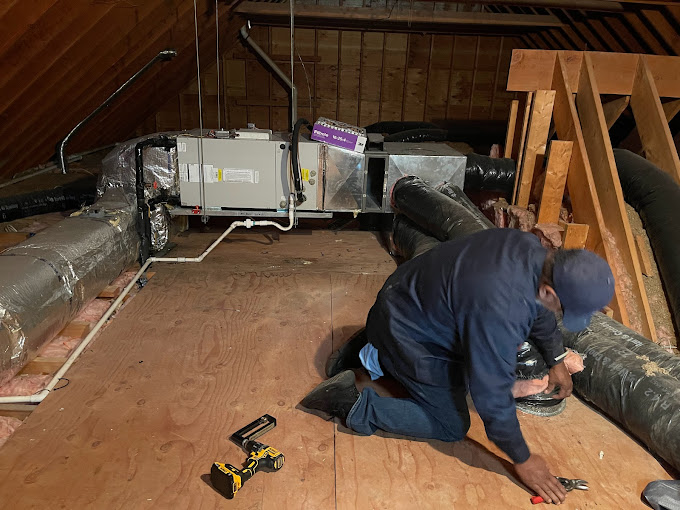
You'll need a professional inspection to see what's actually in there. Most companies use cameras and airflow meters to map the damage. Then they'll recommend cleaning, sealing, or both. If the job was big enough — like an addition or a whole-home gut — you might need duct reconfiguration to match the new layout.
Your Air Quality Is Only As Good As Your Ducts
Want to keep your family healthy? Show your work. You'll need more than a new air filter to prove you've handled post-renovation cleanup.
Here's what your plan should include:
- Professional duct inspection with camera documentation of problem areas
- High-efficiency cleaning using negative pressure systems and rotary brushes
- Sealing of leaks with mastic or metal-backed tape, not just duct tape
- Filter upgrades to MERV 11 or higher if your system can handle the restriction
- Post-cleaning airflow testing to confirm the system is balanced
If you skip steps, you're guessing. Mixing DIY fixes with professional work is one of the fastest ways to waste money. So if that return vent in the hallway is still pulling in attic air because the boot connection failed during framing, you'd better get it sealed before the next cooling season.
Where Most Homeowners Slip Up
Assuming the Contractor Handled It
Trying to rely on the general contractor to protect your ducts during demo? They're focused on the build, not the HVAC. Sloppy vent coverage or forgotten return grilles can cost you real air quality or even raise red flags during resale inspections. Most homeowners play it safe by hiring duct specialists in Norwalk separately — and plenty stay on track by scheduling the work before the final walkthrough.
Waiting Until Something Breaks
Don't wait until the system stops cooling or you smell mildew to check the ducts. If you miss early signs, you're giving problems time to spread. If you catch them late, you risk expensive repairs across multiple components. Inspect ducts within 30 days of project completion. It's boring. It works.
Ignoring Energy Bill Changes
If your utility costs jumped after the renovation and you can't explain why, leaky or clogged ducts are a likely cause. Reference your pre-renovation bills and compare usage. Don't guess. That's what HVAC diagnostics are for.
When to Call In a Pro
If your renovation involved multiple rooms, structural changes, or anything that exposed ductwork, you're in territory where DIY gets risky.
A duct specialist helps you:
- Identify which sections need cleaning and which need repair or replacement
- Apply sealing techniques correctly so leaks don't reappear in six months
- Separate construction debris from long-term buildup cleanly
- Handle mold remediation if moisture got into the ducts during the project
- Keep your HVAC system running efficiently for the long haul
It's not just about clearing the air this month. It's about setting up clean habits that keep your home comfortable and your energy bills predictable for years to come.
Renovations Leave More Than Memories
Upgrading your Norwalk home isn't the hard part. Protecting what you can't see — and cleaning up what got compromised along the way — that's where homeowners get caught off guard. There's no excuse for ignoring the ducts when the benefits are there for the taking. But there's also no do-over when you skip the cleanup and let contaminants settle in for good. Taking on a renovation means taking responsibility for every system it touched, not just the ones that photograph well.
Let’s Make Your Norwalk Home Truly Fresh
We know how much effort goes into a renovation, and we believe your air quality should match the beauty of your new space. Let’s make sure your ducts are as clean and efficient as the rest of your home. If you’re ready to breathe easier and protect your investment, give us a call at 203-424-8732 or Get a Free Quote today. We’re here to help you enjoy every corner of your refreshed home.
‹ Back
Recent Posts
-
Why Fairfield Families With Pets Need Cleaner Air Ducts
September 30, 2026
-
How Renovation Projects Can Leave Dust Inside Your Ducts
September 16, 2026
-
Why Lint Builds Up Faster Than Most Homeowners Expect
September 2, 2026
-
Can Dirty Air Ducts Affect New Homeowners in Greenwich
August 19, 2026
-

Why Some Fairfield Homes Have Hot and Cold Spots
August 5, 2026